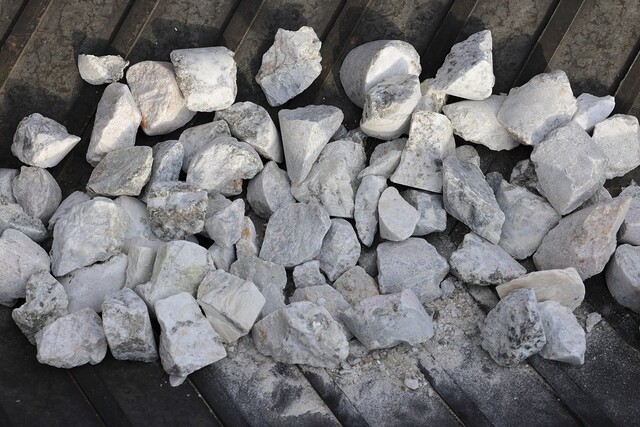
Lithium mining that sacrifices the environment may come to an end. MIT has developed a new technology that does not use low temperatures or acids. Lithium.
Published 2026年06月24日 13時00分
Level N1 リチウム 。 Lithium.
AI Explain クリーンエネルギー技術に多大な貢献をしている一方で、採取するのが難しいうえに、環境負荷も大きい厄介な資源です。 While it greatly contributes to clean energy technology, it is a troublesome resource that is difficult to extract and has a significant environmental impact. 科学者たちは、高まるリチウムの需要に応えるために、より持続可能な方法を模索してきました。 Scientists have been searching for more sustainable methods to meet the rising demand for lithium. 今回、その一環として、貴重なリチウムを含有する硬岩から採取するための、より安全でより低コストなアイデアが提案されたようです。 As part of this effort, a safer and lower-cost idea for extracting valuable lithium from hard rock has been proposed. 学術誌『Science』に掲載された研究結果によると、新たに提案された手法では、まずリシア輝石と呼ばれる鉱物を化学的に分離して、リチウム、アルミニウム、シリコン(ケイ素)に分けます。 According to research published in the journal 'Science', the newly proposed method first chemically separates a mineral called spodumene to divide it into lithium, aluminum, and silicon. その後、それぞれの産業的な用途に合わせて、分離と精製を行ないます。 After that, separation and purification are carried out according to each industrial application. 従来とは異なり、この代替手法は低温で、酸を使用しません。 Unlike conventional methods, this alternative approach operates at low temperatures and does not use acids. リシア輝石の主成分から、最も価値の高い生成物を抽出します。 The most valuable products are extracted from the main components of spodumene. 研究の共同執筆者であり、マサチューセッツ工科大学(MIT)で材料科学・工学教授を務めるYet-Ming Chiang氏は、米Gizmodoの取材に対し、大規模な実用化が行なわれれば、「あらゆる天然資源からリチウムを採取するうえで、もっとも低コストな手法」になると語っています。 Yet-Ming Chiang, a co-author of the study and a professor of materials science and engineering at the Massachusetts Institute of Technology (MIT), stated in an interview with Gizmodo that if large-scale commercialization occurs, it would become "the lowest-cost method for extracting lithium from all natural resources." リチウム採掘の現状 Current status of lithium mining MIT Climate Portal(MITの気候情報サイト)によると、リチウムは、塩水プールを蒸発させるか、鉱石を採掘するかのいずれかの方法で抽出されています。 According to the MIT Climate Portal, lithium is extracted either by evaporating brine pools or by mining ore. 前者は、地下の鉱床からくみ上げてプールにためた塩分を含む水を蒸発させて、リチウムを含む元素を抽出します。 The former involves pumping saline water from underground deposits into pools and evaporating it to extract lithium-containing elements. 後者は、「より伝統的な方法」と見なされていて、重機を用いて掘り起こしたリシア輝石を粉砕します。 The latter is considered a "more traditional method" and involves crushing spodumene that has been excavated using heavy machinery. いずれの方法も、大量の水を消費し、二酸化炭素も大量に排出します。 Both methods consume large amounts of water and emit significant amounts of carbon dioxide. 国際エネルギー機関(IEA)の報告書は、供給面でも、地政学的にも、世界のリチウム産業は極めて高いリスクを抱えていると指摘しています。 The International Energy Agency (IEA) report points out that the global lithium industry faces extremely high risks both in terms of supply and geopolitics. 同報告書は、リチウム産業の「供給途絶への対応能力」をわずか3%と評価している一方で、2030年までにリチウム精製量の57%を中国に依存することになると予測しています。 The same report assesses the lithium industry's "ability to respond to supply disruptions" at only 3%, while predicting that by 2030, 57% of lithium refining will depend on China.